How the tilcayo cat was discovered
The newest species in the cat family wasn't found on an expedition into uncharted jungle. It was found in a sanctuary yard, in a village, and in museum drawers — a decade-long story of chance, patience and genetic detective work.
2017: a family surrenders an unusual cat
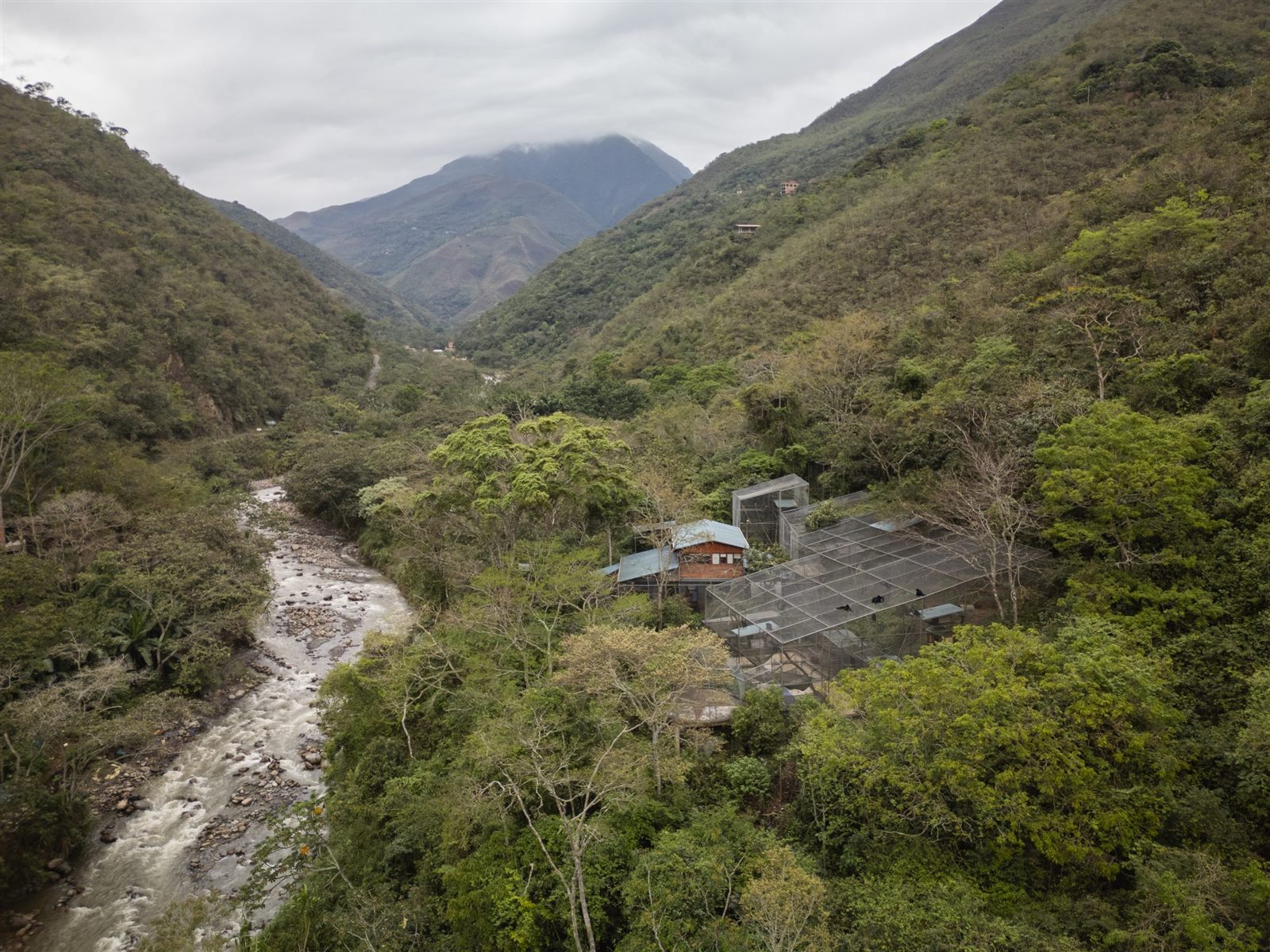
Around 2017, a family in Bolivia's Yungas region turned over a small spotted cat they had been keeping at their home to the Senda Verde Wildlife Sanctuary, which sits along the Yolosa River. The animal — a male — looked at first glance like the small tiger cats that roam much of South America.
Paola Nogales Ascarrunz, a Bolivian wild cat conservationist, first met the cat while volunteering at the sanctuary. Something about it didn't fit. That encounter eventually grew into the research program that would describe a new species — and made Ascarrunz a National Geographic Explorer along the way.
The problem: a “species” that was too good to be true
“Tiger cats have been enigmatic for decades,” explains Eduardo Eizirik, professor at Brazil's Pontifícia Universidade Católica do Rio Grande do Sul, who collaborated on the research. The cats were “once thought to be a single species (Leopardus tigrinus) based on their similar appearance.” One variable, wide-ranging species — from Costa Rica to Brazil to the Andes. Simple. And, as genetics would show, wrong.
The breakthrough: DNA from 38 cats, living and long dead
The international team analyzed genetic material from 38 individuals across multiple South American countries, including 8 museum specimens — some collected over a century ago. The results were unambiguous: what scientists had been calling one species was at least five genetically distinct species, each with its own evolutionary history. One lineage — restricted to Bolivia's Yungas — had separated from the rest roughly 1.4 million years ago and matched the odd cat from Senda Verde.
September 2026: the paper drops
The study, published in Current Biology, formally describes Leopardus tilcayo along with four other species: L. guttulus, L. emiliae, L. pardinoides and L. tigrinus, plus a new Peruvian subspecies, L. tigrinus antisuyo. It is the first time in more than a century that a living cat species has been newly described by science.
The choice of name was deliberate: “Tilcayo” is what local communities call the cat — a nod to the people whose ancestral knowledge anticipated the science. The discovery was announced and covered worldwide in mid-September 2026 by outlets including BBC Wildlife, New Scientist, National Geographic and news agencies across Europe and Asia. Follow every development on our news timeline.
What happens next
- Camera traps in the Yungas. Ascarrunz is deploying them to document the species living wild — the crucial next step for estimating population and range.
- IUCN reassessment. The results have been submitted so all five lineages can be assessed separately at the next Red List evaluation.
- More specimens in museums? With the genetic markers published, scientists can now re-examine existing tiger-cat specimens across South America — several may turn out to be tilcayos.