Updated September 18, 2026 · Photographs used with credit to their owners · Diagrams are original
Photographs of Leopardus tilcayo are rare — every published image traces back to the
only known individual living in protective captivity at Senda Verde Animal Refuge,
Bolivia, plus a handful of editorial images published with the species announcement. Below: the real
photos, with full credit to their owners, followed by our original explanatory diagrams.
Real photographs
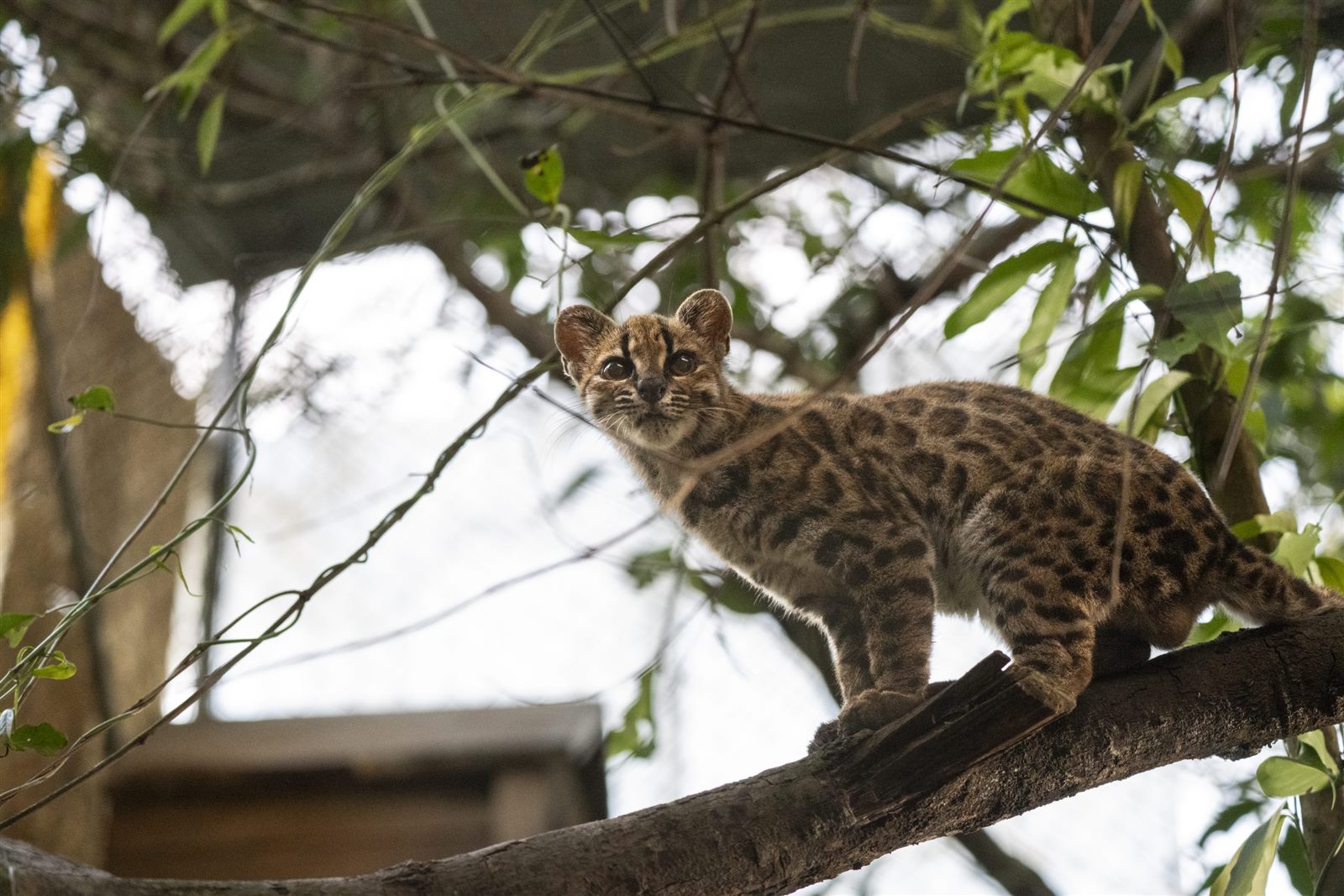
An individual of Leopardus tilcayo at Senda Verde Animal Refuge, Bolivia's
Yungas region — the only known individual of the species living in protective captivity. It arrived at
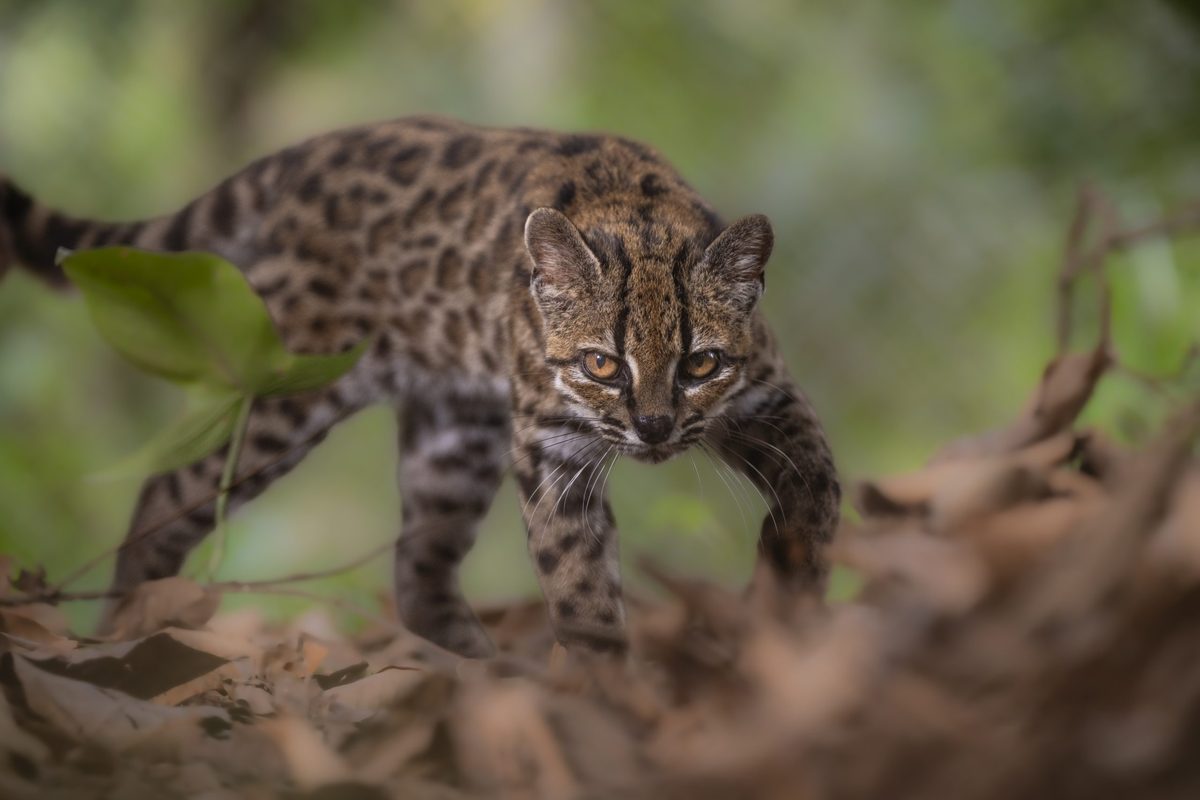
the sanctuary around 2017 after being turned over by a local family. Photo: Fernando Faciole / National Geographic · via BBC WildlifePortrait of the known captive individual, a ten-year-old male. Note the muted
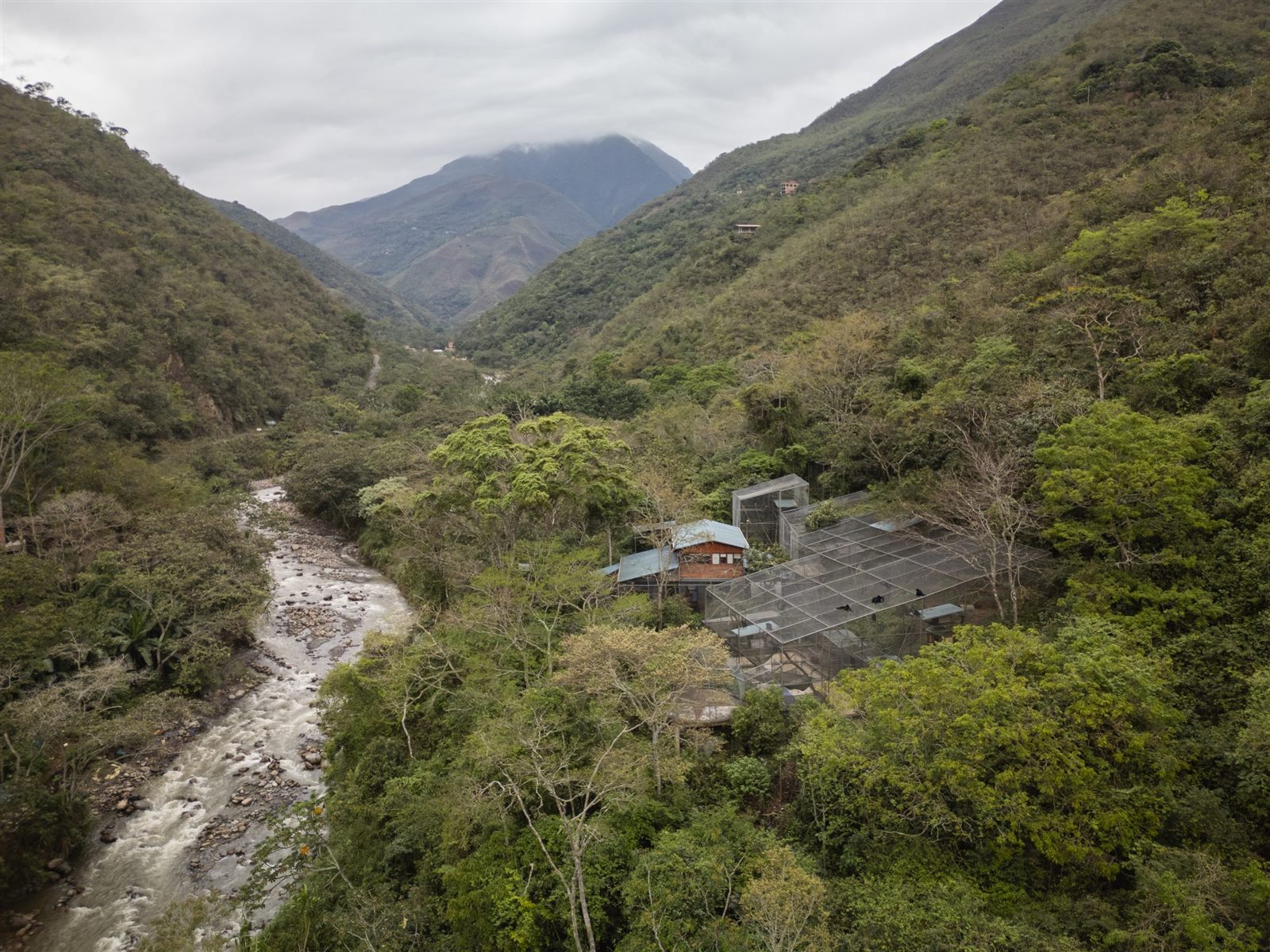
pale-brown coat, large irregular rosettes and rounded, teddy-bear ears described by researchers. Photo: Fernando Faciole / National Geographic · via BBC WildlifeSenda Verde Animal Refuge from the air, located along the banks of the Yolosa River in
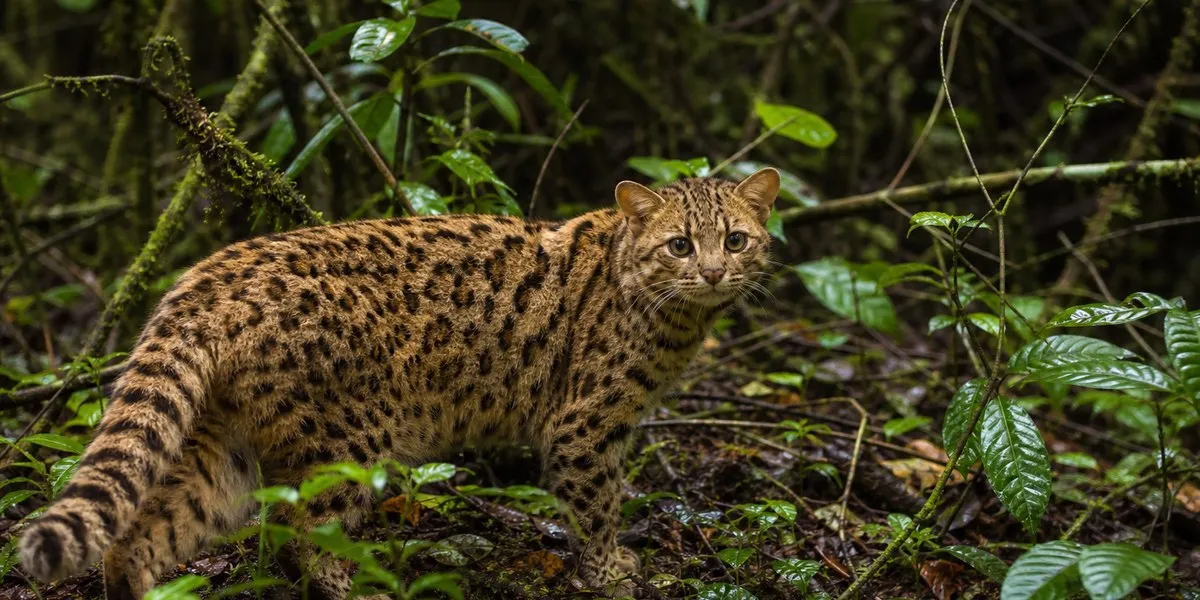
the Yungas region — where the discovery story began in 2017. Photo: Fernando Faciole / National Geographic · via BBC WildlifeEditorial image published with the species announcement — the first new wild cat
species described in more than a century. Image: UA.NEWS / Asharq Al-Awsat
Original diagrams & illustrations
No wild tilcayo has ever been photographed on camera trap yet, and no licensed photo exists for concepts
like size comparison — so we drew them. These are stylized renderings based on published descriptions,
not photographs.
Size comparison: ≈1.4 kg and 45 cm — smaller than an average house cat. (Illustration)Coat pattern: open rosettes (tilcayo) vs. fine solid spots (oncilla). (Illustration)Range: Bolivia's Yungas cloud forest on the eastern Andean slopes. (Illustrative map)Camera-trap concept: the best hope of documenting wild tilcayos. (Illustration)
Credits & usage: photographs remain the property of their credited owners
(Fernando Faciole / National Geographic; UA.NEWS / Asharq Al-Awsat) and are reproduced here for
illustrative educational purposes with attribution and source links. Our own diagrams are original works
created for TilcayoCat.com — stylized renderings based on published descriptions, not photographs, and
may not reflect the species' exact appearance. Media inquiries: see the contact page.