Tilcayo cat habitat: life in Bolivia's Yungas cloud forest
The tilcayo cat (Leopardus tilcayo) is native to the Yungas — the band of humid mountain forest that clothes the eastern slopes of the Bolivian Andes, where the high Andes descend toward the Amazon basin. It is the only cat species we know of whose entire known story unfolds in this forest.
What is the Yungas?
The Yungas is a cloud forest: a montane forest so frequently bathed in mist and low cloud that moisture drips straight from the leaves. Squashed between the cold, dry altiplano above and the tropical lowlands below, these forests form a narrow but extraordinarily productive elevational corridor — dense with tree ferns, bromeliads, orchids, and an abundance of species found nowhere else on Earth.
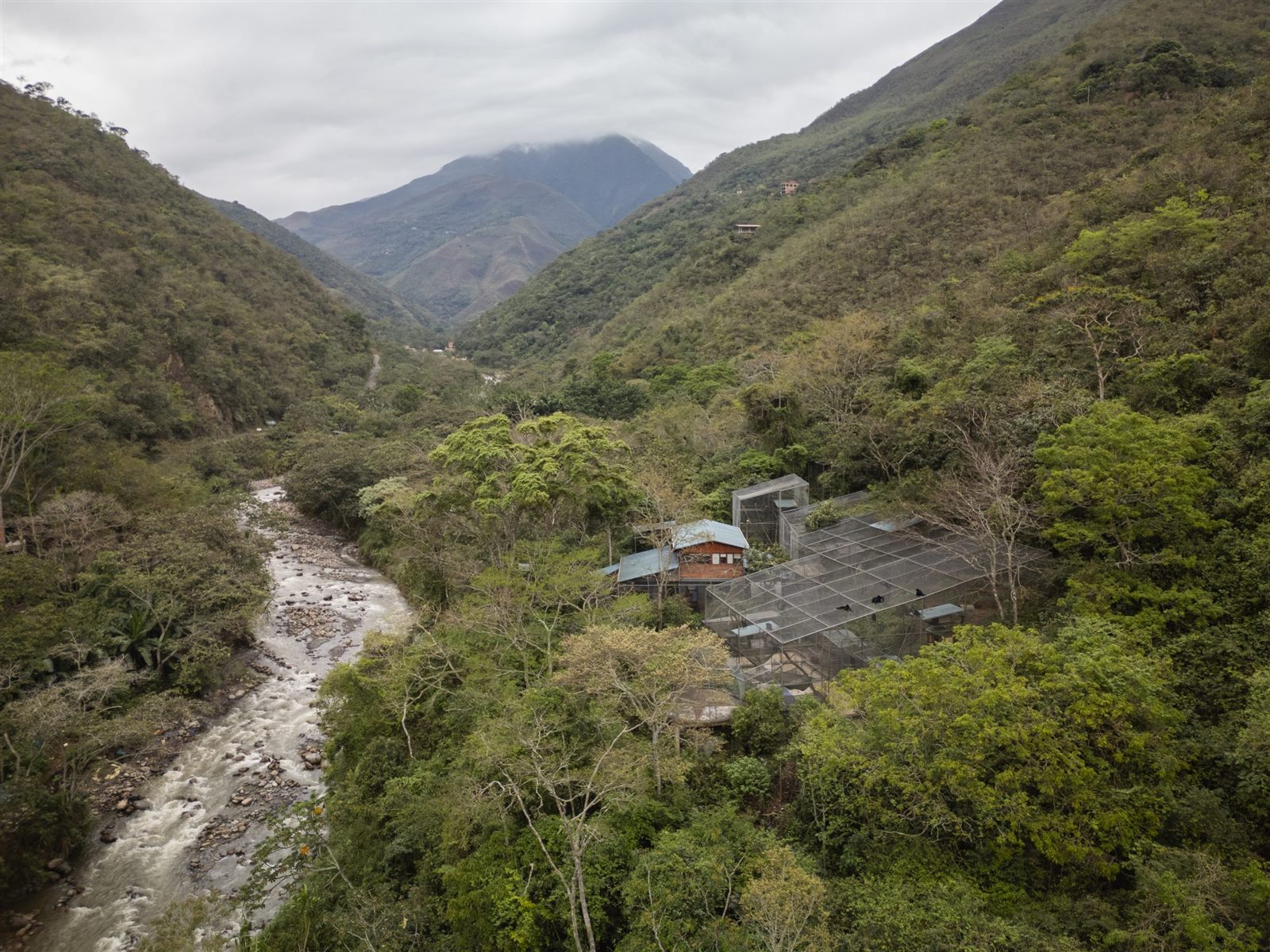
The wider Andes–Amazon basin region the tilcayo calls home is described by researchers as one of the least-studied areas in the entire Neotropical realm, yet packed with endemic species — which is precisely how a whole cat species could hide there until 2026.
Known and suspected range
Here's the honest answer: the full range of the tilcayo cat is not yet known. What we can say:
- Two living individuals have been confirmed, both linked to the Bolivian Yungas.
- The only known captive animal lives at Senda Verde Wildlife Sanctuary on the Yolosa River, in the Yungas of La Paz department.
- The new Peruvian subspecies L. tigrinus antisuyo described in the same paper hints at how much unrecognized tiger-cat diversity may exist along the Andean slope.
Because tiger cats are frequently misidentified as oncillas or margays in camera-trap images, records labeled as other species across the Bolivian Andes may eventually be re-examined — the tilcayo's known range could grow substantially.
Life in the cloud forest: what the habitat means for the cat
Cloud forests favor small, agile, stealthy hunters. The tilcayo's likely prey base — small rodents, as suggested by scat analysis — thrives in dense understory and leaf litter. Persistent mist and low visibility suit a quiet, probably nocturnal hunter; camera-trap records from the region are consistent with night activity.
A forest under pressure
The Yungas face intensifying pressure from deforestation, agricultural expansion, human-caused fires and mining. For a species confirmed from just two living individuals, habitat loss is not an abstraction — it may determine whether the tilcayo survives the century. Ascarrunz's ongoing camera-trap surveys aim to find wild populations and give conservation planners hard data to work with. Read the full picture in conservation status.